



Published:
In an ideal world, you’d be able to trust that every skincare product sold commercially is safe for the skin. Unfortunately, this isn’t the case. Instead, many potentially harmful ingredients commonly make their way into skincare products, making it important to know what’s what when putting together your skincare routine.
Need some guidance? Read on as VouPre talks through some of the skincare ingredients that you should be avoiding.
Sulfates
Let’s start with sulfates since they are, unfortunately, still very commonly used in skincare products. They’re detergents, which is why they’re mostly used in products designed to cleanse and exfoliate (they’re often found in shampoos as well). Although sulfates may not be dangerous in the way that some of the other skincare ingredients on this list are, they don’t exactly do your skin any favors either.
Sulfates are great at cleansing the skin…a little too great! In addition to removing dirt and other unwanted particles, they also strip away a large portion of the skin’s oils. While it’s good for a cleanser to remove excess oil, sulfates take too much away. With those oils forming an integral part of the skin’s natural protective barrier, sulfates can quickly leave this precious barrier compromised and unable to function as efficiently as it should.
There are different types of sulfates out there, but they’re all relatively easy to spot on an ingredient list because even though they each have their own name, the word ‘sulfate’ will be in there somewhere!
What can be used instead?
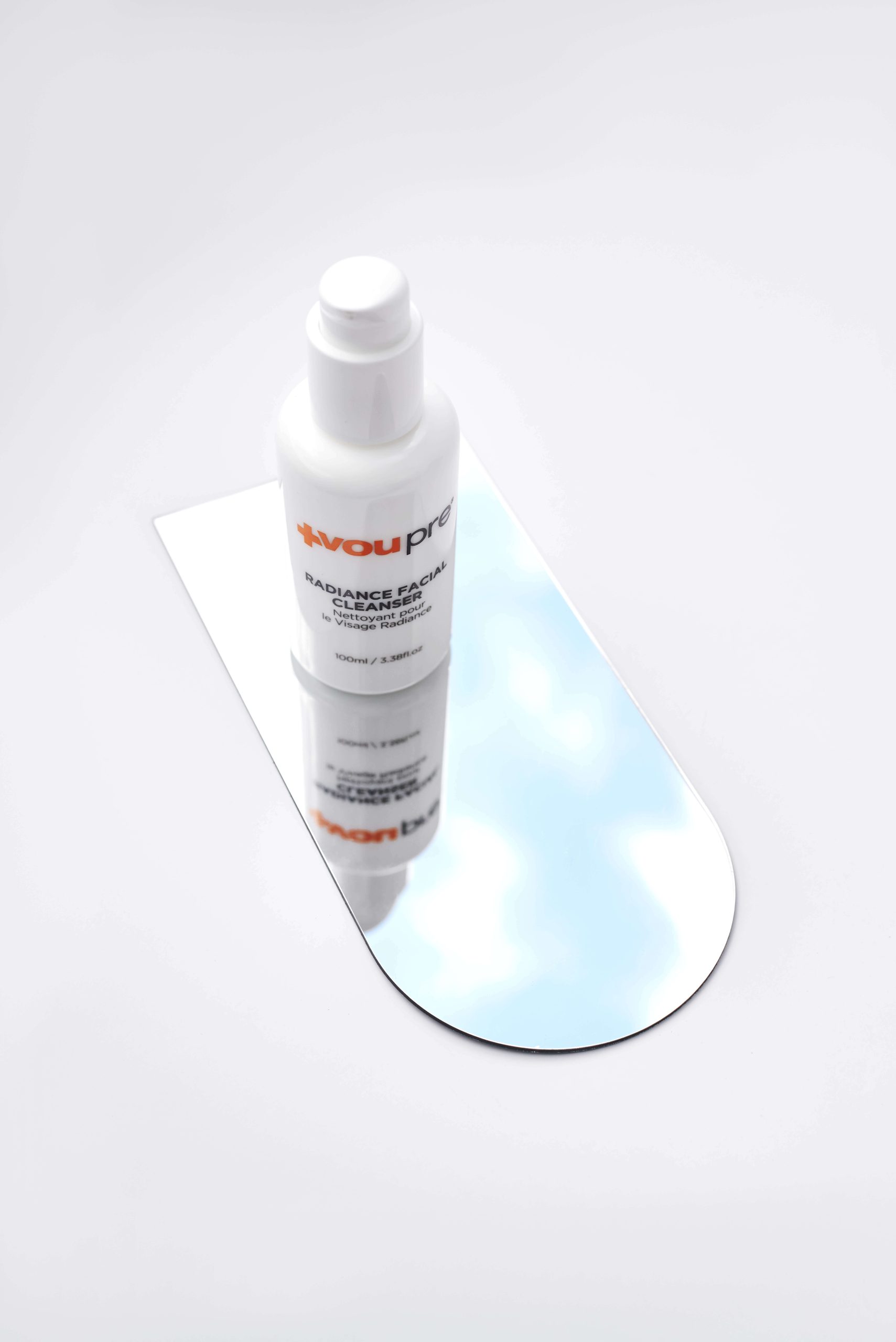
The good news is that there are plenty of cleansing agents out there that don’t damage the skin’s natural protective barrier. Sodium cocoyl glycinate, which you’ll find in the VouPre Radiance Facial Cleanser, is one. It’s partly derived from coconut fatty acids, making it gentle and conditioning. However, it still creates a naturally creamy lather that effectively cleanses the skin.
While some may argue that sulfates are needed in powerful foaming cleansers, this is certainly not the case. The VouPre ClearSuds Foaming Purifier proves that. It makes use of a few different cleansing agents, none of which are sulfates. Sodium lauroamphoacetate is one of them. When combined with other cleansing agents, it creates a decadent foam. At the same time, it’s gentle on the skin – so much so that it’s commonly used in baby products.
Parabens
In order for a skincare product to remain safe and stable for an extended period of time, preservatives are needed. These ingredients work by inhibiting the growth of bacteria, mold, and yeast. Without preservatives, skincare products end up contaminated very quickly, to the point where they can even become dangerous for the skin.
Parabens are a group of preservatives. These synthetic skincare ingredients have been the topic of debate for a while now, with a large amount of controversy surrounding them. Classified as endocrine-disrupting chemicals, parabens have the potential to mimic estrogen in the body. This could cause cancer and reproductive issues, which is why experts generally advise that parabens be avoided whenever possible.
It’s also worth noting that parabens can have a detrimental impact on the environment. They’re believed to harm aquatic life, which they have access to once they’re in wastewater.
What can be used instead?
Some skincare products skip the preservatives altogether. However, these products generally have a very short shelf life and are also unable to contain certain active skincare ingredients that need stability.
If you want your skincare products to pack a punch, they’ll need to make use of preservatives. Fortunately, not all preservatives are harmful to the skin. You won’t find any parabens in VouPre products, for instance. Instead, we make use of alternatives that are able to prolong shelf life without causing any health implications.
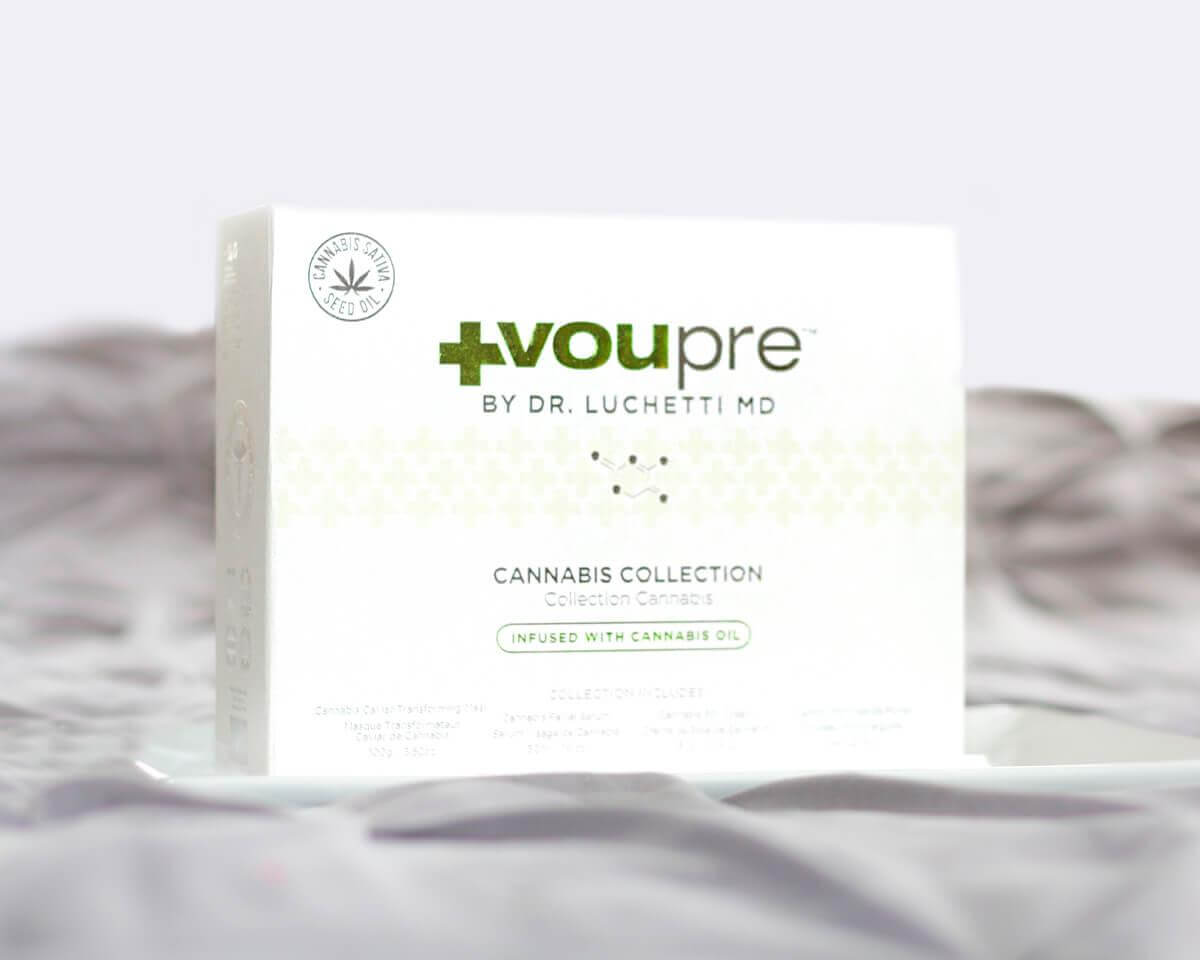
Ethylhexylglycerin is one that we often use. Not only is it a preservative, but it also functions as an emollient and a humectant. This means that it softens the feel of the skin while binding moisture to skin cells to provide hydration. You’ll find it in all three of the products in the VouPre Cannabis Collection, along with other gentle, skin-friendly preservatives.
Hydroquinone
Hydroquinone is a chemical that functions as a skin-lightening agent. If you’ve been searching for skincare products that can lighten the appearance of discoloration or hyperpigmentation, there’s a good chance that you’ve already spotted this ingredient in a few formulas. It’s considered to be one of the most effective skincare ingredients out there for this purpose. It works by inhibiting melanin production, which is the pigment that gives your skin its color. By doing so, it’s able to target hyperpigmentation at its source.
The problem is that hydroquinone comes with many side effects. Inflammation and irritation are common, but these are the least of your worries. Regular use of hydroquinone can thin the skin, cause structural damage, and increase sun sensitivity. If you use it incorrectly or for too long, it could even make your hyperpigmentation worse.
What can be used instead?
There’s no denying that hydroquinone can be effective at lightening the look of discolored skin, but its side effects shouldn’t be ignored. In fact, in Europe, the ingredient can only be purchased with a prescription. Some countries around the world, such as Japan, Australia, and South Africa, have banned its use altogether.
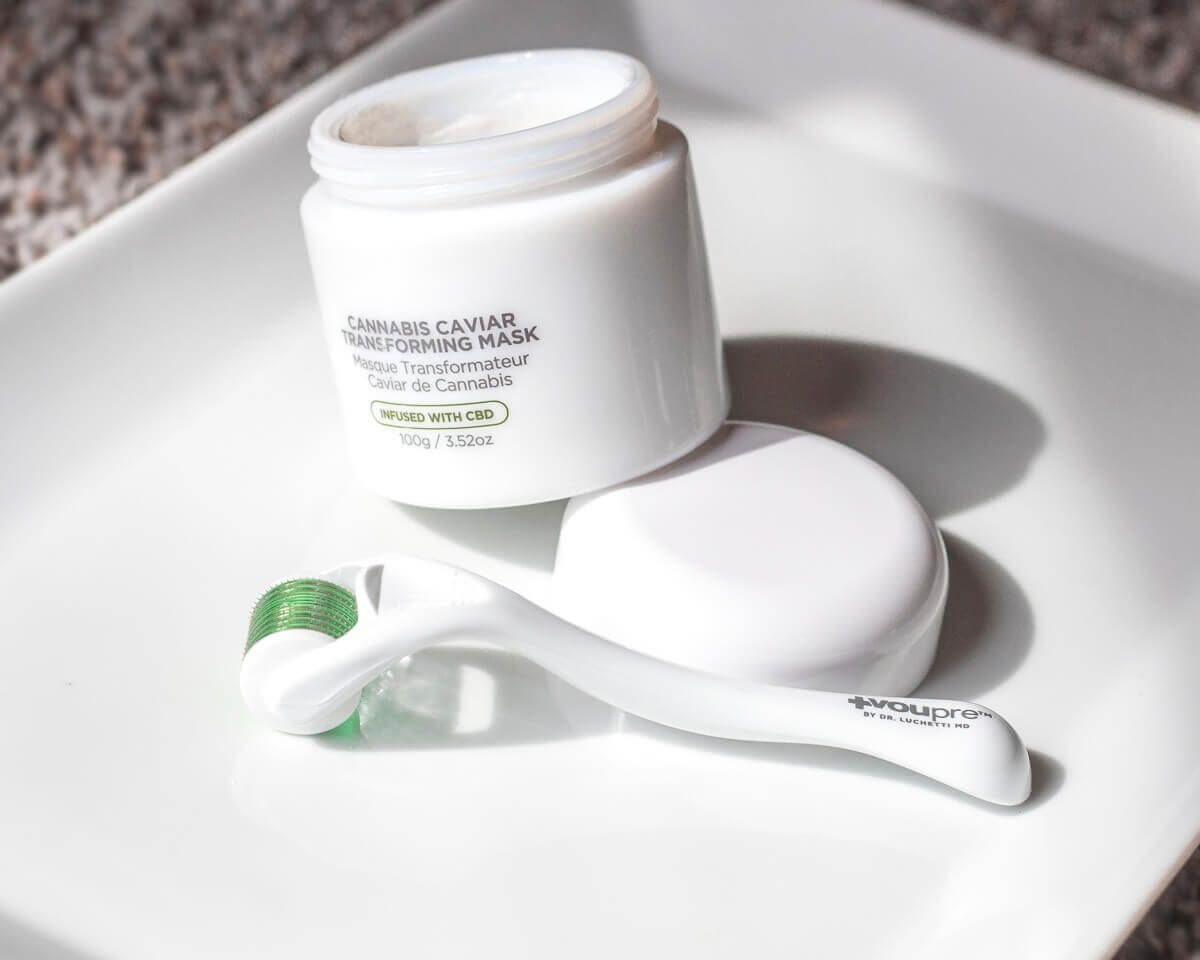
Again, like the other skincare ingredients on this list, there are plenty of better alternatives out there. Licorice root extract, which you’ll find in the VouPre Cannabis Caviar Transforming Mask, has been proven to lighten the look of pigmentation. Vitamin C works well to lighten and brighten a discolored complexion too. A vitamin C serum that also packs in plenty of other antioxidants, just like the VouPre Vita C Serum, would be a great choice.
Niacinamide is another ingredient that’s often recommended for evening out the appearance of discolored skin. It’s a star ingredient in the Collagen Cooling Set Limited Edition. In addition to helping to lighten the visibility of darkened skin, it will also hydrate your skin while keeping your skin barrier feeling protected.
Certain Alcohols
The use of alcohol in skincare products is quite a complex topic. Essentially, these skincare ingredients can be split into two categories: simple alcohols and fatty alcohols. There’s nothing wrong with using skincare products containing fatty alcohols. These skincare ingredients not only emulsify products, giving them a creamier texture, but they also function as emollients. They give the skin a softer and smoother finish.
Simple alcohols, on the other hand, are best avoided. Yes, they enhance the ‘spreadability’ of a product while, in some cases, also acting as preservatives. However, they’re infamous for how they dry out the skin and disrupt skin barrier function. They’re particularly detrimental for sensitive skin, causing significant irritation.
What can be used instead?
Simple alcohols are used in skincare for a variety of purposes. However, there are plenty of other ingredients that can do those same jobs, often with much better results. The difference is that simple alcohols are usually much cheaper than those other ingredients, which is why they’re often favored by cosmetics companies.
Other Ways to Tell If a Skincare Product Should Be Avoided
Knowing which skincare ingredients are potentially harmful is a good way to determine whether or not a product is safe for your skin. However, here are a few other ways to tell if a skincare product, on the whole, is best steered clear of:
Overly High Concentrations of Actives
It’s easy to be enticed by skincare products that promise to bestow your skin with a super-high concentration of actives. Surely this means that you’ll see results much sooner, right?
Wrong. In many cases, overly high ingredient concentrations will do more harm than good. Your skin can only cope with so much. Overwhelming it will only lead to skin barrier damage.
Instead, be realistic when it comes to the products that you choose, especially if they contain skincare ingredients that you’ve never used before.
Wrong Packaging
Certain skincare ingredients need to be packed in a particular way in order to retain potency. Many antioxidants, for example, are sensitive to oxygen, light, and temperature fluctuations. This is why antioxidant serums are always best packaged in an opaque container. If that container comes with a pump dispenser, then that’s even better as it will minimize how much oxygen the product comes into contact with.
Always pay attention to packaging. Make sure that it has been done in a way that fully protects and preserves the product.
Unnecessarily Long Ingredient Lists
The skincare industry has recently seen a big shift away from single-ingredient skincare products, with consumers now favoring multitasking formulas instead. Of course, in order for these multitaskers to work as intended, they’ll need to contain a variety of different ingredients.
This is why, at first glance, you shouldn’t immediately shun a skincare product just because it has a long ingredient list. However, if, after a closer glance, that ingredient list is unnecessarily long, give it a miss. If a product contains more filler ingredients than active compounds, it’s unlikely to do much for your skin.
Bad Reviews
One of the best ways to tell whether or not a skincare product is worthy of your time and money is by checking out product reviews. In this day and age, you’ll always find some, especially if you’re looking into a credible brand.
While the brand’s website is a good place to start, be sure to check out third-party sources too. Search for the brand on social media as well – these platforms are great for seeking out unbiased opinions!
Summary
It’s always worth spending some time learning about different skincare ingredients. After all, this then gives you the knowledge to make the very best choices for your skin. Once you find a few brands that align with your values in terms of the ingredients they use, you’ll be able to turn to them time and time again in the future.